AI Revolution: How Robotics is Reshaping Industries
Introduction
The advent of artificial intelligence (AI) in robotics has dramatically transformed multiple industries. From manufacturing to healthcare, AI-powered robotics is a beacon of innovation, leading to significant advancements in productivity and precision.
Impact on Manufacturing
Robots and AI have increasingly found their place on the factory floor. The manufacturing industry, traditionally labor-intensive, is now witnessing a paradigm shift towards automation.
- Increased Efficiency: John Miller, a robotics engineer at TechnoFab, states, “AI-driven robots work round the clock without fatigue, significantly boosting production rates.”
- Improved Accuracy: Machines equipped with AI can perform repetitive tasks with a precision unachievable by human hands.
- Uninterrupted Operations: Predictive maintenance, powered by AI, minimizes downtime by preempting equipment failures.
Revolutionizing Healthcare
The healthcare sector is another benefactor of robotics paired with AI technology. Innovations in this field are not only enhancing the quality of care but also saving lives.
- Surgical Precision: Dr. Lisa Chan, a surgeon at Metro Health, notes, “Robotic-assisted surgeries allow for minimally invasive procedures, reducing recovery time and improving outcomes.”
- Patient Assistance: AI-powered robots assist in patient monitoring and medication management, ensuring adherence to schedules and enhancing patient care.
- Diagnosis: AI algorithms are adept at processing massive data, leading to quicker and more accurate diagnostics.
AI in Logistics
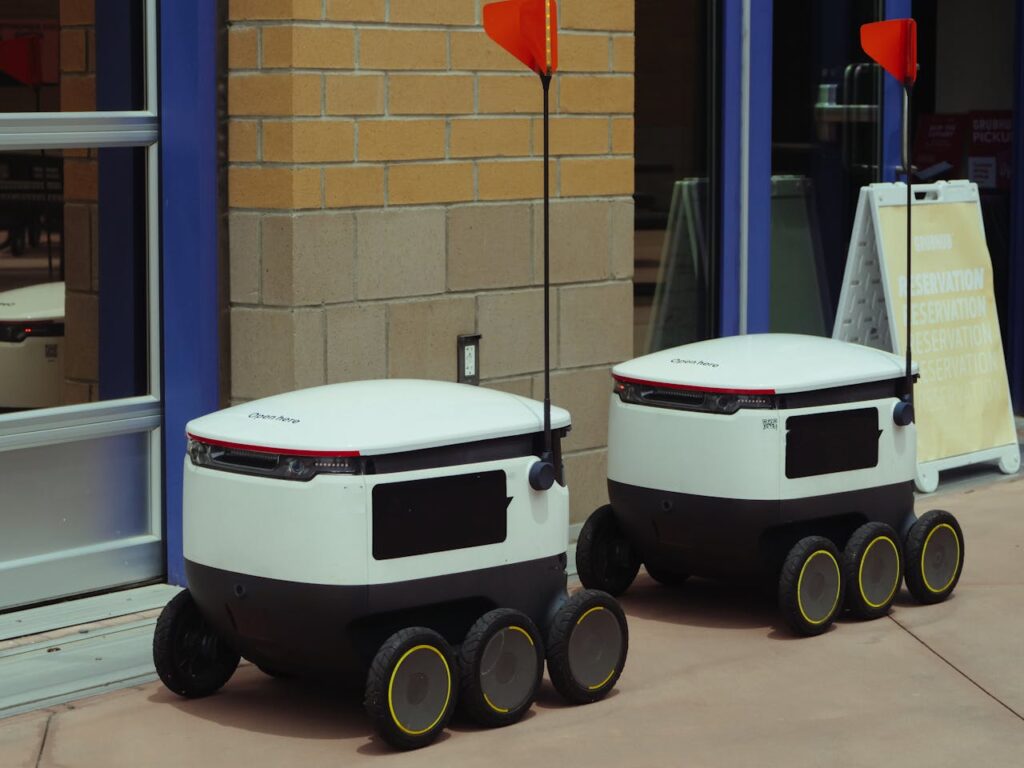
Logistics firms have turned to robotics and AI to address challenges such as supply chain optimization and delivery efficiency.
- Warehouse Automation: Robots with AI capabilities manage inventories, picking, and sorting with unmatched speed.
- Fleet Management: AI solutions optimize delivery routes, minimizing fuel consumption and delivery times.
- Enhanced Customer Experience: “AI-driven analytics anticipate customer demand, ensuring products are always available,” says Alex Turner, a logistics expert at FreightLink.
Challenges and Ethical Considerations
Despite its benefits, the integration of AI and robotics is not without challenges. Workforce displacement remains a crucial concern as machines replace human jobs in various sectors.
- Employment Impact: According to a survey by WorkTrend Institute, “Close to 30% of jobs in certain sectors could be automated within the next decade.”
- Ethical Dilemmas: The development and deployment of AI technologies raise numerous ethical issues, such as privacy violations and decision-making transparency.
- Regulatory Frameworks: Policymakers are grappling with the challenges of creating regulations that keep pace with swift technological advancements.
Conclusion
The fusion of robotics and AI is undeniably revolutionizing industries, leading to enhanced efficiency and opening up new possibilities. While challenges remain, ongoing dialogue between technologists, policymakers, and the public is essential for sustainable progress. As we look to the future, the role of AI-powered robotics will likely expand, bringing about even more transformative changes across different sectors.
In the words of Maria Robertson, CTO of InnovateX, “We are at the forefront of a new era where AI and robotics are not just tools but key players in shaping the world around us.”