The Evolving Landscape of Business in 2025
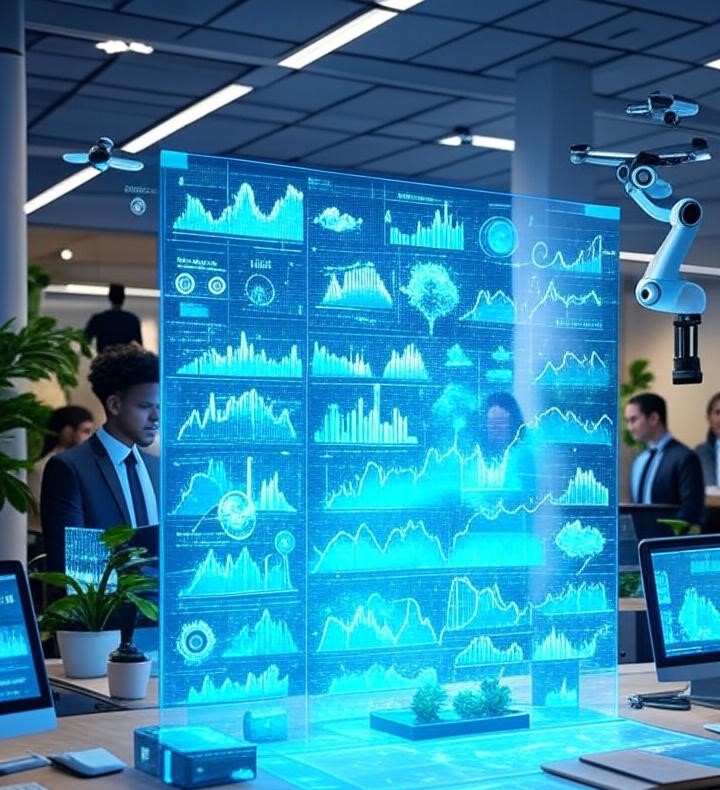
The business world in 2025 is a dynamic and rapidly changing environment, shaped by technological advancements, shifting consumer behaviors, and global economic trends. From small startups to multinational corporations, businesses are adapting to new realities, leveraging innovation, and navigating challenges to stay competitive. This article explores key trends, strategies, and insights driving the business landscape today.
The Rise of AI and Automation
Artificial intelligence (AI) and automation have become cornerstones of modern business operations. Companies are integrating AI to streamline processes, enhance decision-making, and improve customer experiences. From predictive analytics in supply chain management to AI-driven customer service chatbots, businesses are reducing costs and increasing efficiency. For example, AI tools like those developed by xAI are helping companies analyze vast datasets to uncover insights that drive growth. However, the adoption of AI also raises questions about workforce displacement and the need for upskilling employees to work alongside advanced technologies.
Sustainability as a Business Imperative
Sustainability is no longer a buzzword but a core component of business strategy. Consumers and investors are increasingly prioritizing companies that demonstrate environmental and social responsibility. Businesses are adopting sustainable practices, such as reducing carbon footprints, using renewable energy, and implementing circular economy models. For instance, major retailers are shifting to eco-friendly packaging, while manufacturers are investing in greener production methods. This shift not only aligns with consumer values but also opens new revenue streams through sustainable products and services.
The Gig Economy and Flexible Work Models
The gig economy continues to reshape the workforce, with businesses relying on freelancers and contract workers for specialized tasks. Platforms like Upwork and Fiverr have made it easier for companies to access global talent pools. At the same time, hybrid and remote work models have become standard, with businesses investing in collaboration tools to maintain productivity. This flexibility allows companies to attract top talent while reducing overhead costs, but it also requires robust cybersecurity measures to protect sensitive data in distributed work environments.
E-Commerce and Digital Transformation
The growth of e-commerce shows no signs of slowing down. Businesses are enhancing their online presence through sophisticated digital marketing strategies, personalized customer experiences, and seamless payment systems. Technologies like augmented reality (AR) are enabling virtual try-ons for products, while blockchain is being explored for secure transactions. Small businesses, in particular, are leveraging social media platforms like Instagram and TikTok to reach global audiences, leveling the playing field with larger competitors.
Challenges in the Global Market
Despite opportunities, businesses face significant challenges. Supply chain disruptions, driven by geopolitical tensions and climate-related issues, continue to impact operations. Inflation and fluctuating interest rates are forcing companies to rethink pricing strategies and cost management. Additionally, cybersecurity threats are growing, with ransomware attacks targeting businesses of all sizes. To mitigate these risks, companies are investing in resilient supply chains, diversifying sourcing, and strengthening cybersecurity frameworks.
The Role of Innovation and Adaptability
Innovation remains the lifeblood of successful businesses. Startups are disrupting traditional industries with bold ideas, while established companies are fostering innovation through research and development (R&D) and strategic partnerships. For example, collaborations between tech firms and traditional industries like healthcare and manufacturing are yielding groundbreaking solutions. Adaptability is equally critical—businesses that can pivot quickly in response to market changes are more likely to thrive.
Conclusion
The business landscape in 2025 is defined by transformation and opportunity. By embracing AI, prioritizing sustainability, and adapting to new work and consumer trends, businesses can position themselves for long-term success. However, navigating challenges like supply chain disruptions and cybersecurity threats requires strategic foresight and resilience. As the global economy continues to evolve, businesses that balance innovation with adaptability will lead the way in shaping the future.